
Ignition switch
Note: When you switch the ignition off and leave your vehicle, do not leave your key in the ignition. This could cause your vehicle battery to lose charge.
Note: In order to switch off the engine while the vehicle is in motion, shift to position N and use the brakes to bring the vehicle to a safe stop.
After the vehicle has stopped, turn the engine off and shift into position P, then turn the key to the accessory or off position.
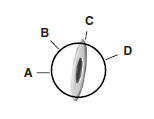
A. Off: The ignition is off.
B. Accessory: Allows the electrical accessories, such as the radio, to operate
while the engine is not running.
C. On: All electrical circuits are operational and the warning lamps and
indicators illuminate.
D. Start: Cranks the engine.
See also:
Part numbers
For spark plug replacement, see your authorized dealer. Refer to scheduled maintenance
information for the appropriate intervals for changing the spark plugs.
Note: Replace the spark plugs with o ...
Fuel pump shut-off switch
This device stops the electric fuel pump from sending fuel to the engine when
your vehicle has had a substantial jolt.
After an accident, if the engine cranks but does not start, this switch may ha ...
Information contained on the tire sidewall
Both U.S. and Canada Federal regulations require tire manufacturers to place
standardized information on the sidewall of all tires. This information identifies
and describes the fundamental charac ...