
Engine oil check
Note: Check the level before starting the engine.
Note: Make sure that the level is between the MIN and MAX marks.
1. Make sure that your vehicle is on level ground.
2. Turn the engine off and wait 10 minutes for the oil to drain into the oil pan.
3. Remove the dipstick and wipe it with a clean, lint-free cloth. Replace the dipstick
and remove it again to check the oil level.
If the level is at the MIN mark, add oil immediately.
Adding Engine Oil
Note: Do not remove the filler cap when the engine is running.
Note: Do not add engine oil further than the MAX mark. Oil levels above the MAX mark may cause engine damage.
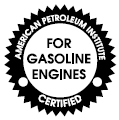
Only use oils certified for gasoline engines by the American Petroleum Institute (API). An oil with this trademark symbol conforms to the current engine and emission system protection standards and fuel economy requirements of the International Lubricants Specification Advisory Council (ILSAC), comprised of U.S. and Japanese automobile manufacturers.
1. Remove the filler cap.
2. Add engine oil that meets Ford specifications. See Capacities and Specifications
for more information.
3. Replace the filler cap. Turn it until you feel a strong resistance.
See also:
Precautions when servicing your vehicle
• Do not work on a hot engine.
• Make sure that nothing gets caught in moving parts.
• Do not work on a vehicle with the engine running in an enclosed space, unless
you are sure you have eno ...
Safety seats for children
Infant and/or toddler seats
Use a safety seat that is recommended for the size and weight of the child.
When installing a child safety seat:
• Review and follow the information presented in the ...
Capacities and Specifications
Engine specifications
Engine drivebelt routing
3.5L/3.7L V6 engine
1. Short drivebelt is on first pulley groove closest to engine.
2. Long drivebelt is on second pulley groove farthest from ...